

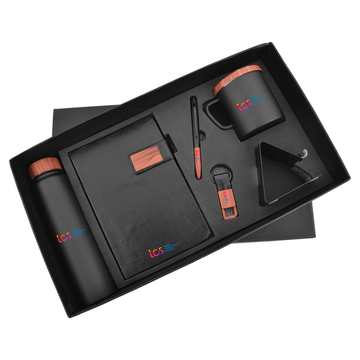

Remote work has changed how companies welcome new hires, but one thing hasn’t lost its importance — the first impression. Even in a fully digital setup, businesses investing in Employee Onboarding Kits are seeing stronger engagement from day one.
Let’s break down why physical onboarding kits still play a key role in a work-from-home environment.
The Gap in Remote Onboarding
Virtual onboarding solves logistics, but it often lacks emotional connection. A new employee joins, attends a few video calls, and gets access to tools — but the experience feels transactional.
This is where physical onboarding kits step in.
They create a tangible moment. Something arrives at the employee’s doorstep, turning a routine joining day into something memorable. That small shift makes a big difference in how people perceive the company.
Why Physical Kits Still Work in a Digital-First Setup
Even with advanced collaboration tools, humans respond strongly to physical experiences. A well-designed employee onboarding kit bridges the gap between remote processes and human connection.
Here’s what makes them effective:
- They create a sense of belonging from day one
- They reduce the “detached” feeling of remote joining
- They signal effort and investment from the employer
When a company sends a thoughtful onboarding kit, it shows intent. That matters more than another welcome email.
The Psychology Behind Tangible Welcome Experiences
As discussed earlier, onboarding is not just about information transfer — it’s about emotional alignment. A physical kit triggers a sense of ownership and pride.
Employees often associate the quality of their onboarding kit with the company’s culture. A generic experience can feel forgettable, while a well-curated kit makes the employee feel valued.
This is especially important in remote onboarding in India, where cultural cues and gestures still carry weight.
What Makes a Good WFH Onboarding Kit
Not every kit delivers impact. The difference lies in how relevant and usable the items are.
A strong employee onboarding kit typically includes:
- Practical items like notebooks, bottles, or tech accessories
- Company-branded merchandise that feels premium
- A personalized welcome note
- Tools that support remote productivity
The focus should always be on usability. Items that sit unused defeat the purpose of onboarding kits.
Logistics: The Real Challenge in India
Shipping onboarding kits across multiple states isn’t simple. Companies dealing with remote teams often struggle with:
- Address accuracy issues
- Delivery delays in Tier 2 and Tier 3 cities
- Vendor coordination challenges
This is where structured onboarding kit programs become important. Instead of handling everything manually, businesses are moving toward streamlined solutions that manage sourcing, customization, and delivery at scale.
Impact on Early Employee Engagement
The first 30 days are critical for any new hire. A strong onboarding experience can influence retention, productivity, and overall satisfaction.
A physical onboarding kit contributes by:
- Making the employee feel welcomed before their first task
- Creating a talking point within teams
- Encouraging early participation and engagement
When employees feel connected early, they are more likely to stay longer and perform better.
Why Digital Alternatives Fall Short
Digital welcome kits, vouchers, or emails are easier to distribute, but they lack emotional depth. They don’t create the same recall value.
A physical onboarding kit, on the other hand, becomes part of the employee’s daily routine. Whether it’s a notebook or a desk accessory, it keeps the brand visible in a subtle yet consistent way.
The Shift Toward Hybrid Onboarding Strategies
Companies are now combining digital onboarding with physical touchpoints. This hybrid approach ensures efficiency without losing the human element.
For example:
- Digital sessions for training and compliance
- Physical onboarding kits for engagement and culture building
This balance works particularly well for distributed teams across India.
Final Thoughts
Remote work isn’t going anywhere, but that doesn’t mean onboarding should feel impersonal. Physical onboarding kits bring back the human touch that virtual processes often miss.
Companies that invest in thoughtful onboarding experiences are seeing better outcomes in engagement and retention. And in a competitive hiring market, that edge matters more than ever.