


Introduction
Airflow regulation is an essential part of many industrial processes, including ventilation, combustion systems, dust collection, exhaust management, and material processing. Industrial facilities often require precise control over the movement of air and gases to maintain operational efficiency, improve safety, and support consistent production. Dampers play an important role in these applications by adjusting the volume and direction of airflow within ducts and pipelines. Selecting a reliable Throttle Damper Manufacturer helps businesses find equipment designed to meet their specific operating conditions, performance expectations, and installation requirements. A well-designed throttle damper can help operators regulate air movement, balance pressure, and manage the performance of connected equipment. Understanding damper construction, materials, applications, and maintenance requirements allows industrial buyers to make informed purchasing decisions and develop more dependable airflow control systems.
What Is a Throttle Damper?
A throttle damper is a mechanical device used to regulate the flow of air or gases through a duct, passage, or industrial ventilation system. It generally consists of a movable blade or plate installed inside a housing. By changing the blade’s position, operators can increase or decrease the available passage for airflow. Depending on the design, the damper may be operated manually, pneumatically, electrically, or through an automated control system.
Throttle dampers are commonly used where adjustable flow control is required rather than simple on-and-off isolation. Their performance depends on factors such as blade design, operating temperature, pressure conditions, duct dimensions, and the properties of the flowing medium. In industrial environments, these devices must be selected according to the demands of the application. Proper sizing and installation help achieve more predictable airflow regulation while reducing unnecessary resistance and supporting the overall efficiency of the system.
Importance of Choosing the Right Manufacturer
Choosing an experienced Throttle Damper Manufacturer is important because industrial dampers must operate reliably under specific mechanical and environmental conditions. Different industries handle different air volumes, temperatures, pressures, and particulate loads. A damper suitable for a clean ventilation system may not be appropriate for a high-temperature exhaust line or a dust-laden process. Manufacturers should therefore understand application requirements and recommend suitable designs, materials, and operating mechanisms.
A dependable manufacturing partner can also assist with dimensional specifications, fabrication quality, inspection procedures, and installation considerations. These factors influence the service life and operating consistency of the equipment. Buyers should evaluate manufacturing experience, customization capabilities, quality control practices, and technical support before placing an order. Reviewing these areas helps organizations select equipment that matches their actual process requirements instead of relying only on initial purchase price.
Key Features of Industrial Throttle Dampers
Industrial throttle dampers are designed with features that support controlled airflow and dependable operation. Depending on the intended application, they may include reinforced frames, carefully aligned blades, durable shafts, suitable bearings, and accessible operating mechanisms. These components help the damper withstand repeated adjustments and the mechanical stresses associated with industrial service.
Material selection is another important feature. Carbon steel may be appropriate for many general industrial applications, while stainless steel can be considered where corrosion resistance or specific hygiene requirements are important. Specialized alloys or protective coatings may be necessary in demanding environments. The choice should reflect the actual temperature, chemical exposure, moisture, and abrasion conditions.
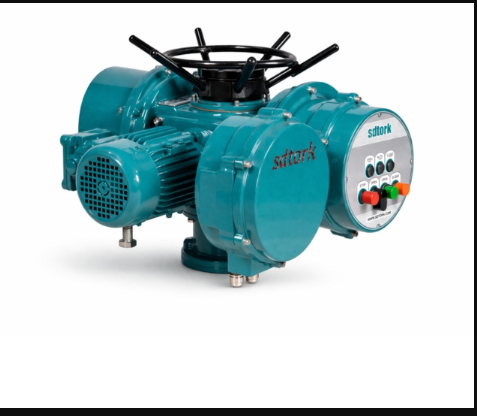
A well-engineered damper should also be compatible with the surrounding ductwork and control system. Depending on the process, manufacturers may offer manual hand levers, geared mechanisms, electric actuators, or pneumatic actuators. These options allow businesses to select an operating arrangement that supports both everyday adjustments and automated process control.
Applications Across Different Industries
Throttle dampers are used in a wide range of industrial sectors because many processes require controlled air or gas movement. In power generation facilities, they may help regulate combustion air or manage flue-gas flow, subject to the system’s design requirements. Manufacturing plants use dampers in ventilation networks, exhaust ducts, and process-air systems to maintain suitable operating conditions.
In cement, steel, and mineral processing facilities, airflow equipment may encounter high temperatures, abrasive particles, and demanding operating cycles. These environments require careful consideration of materials, clearances, and mechanical strength. Chemical processing plants may need designs that account for corrosive atmospheres, while food processing and pharmaceutical facilities may have additional cleanliness and material requirements.
Commercial and industrial HVAC systems also use dampers to balance air distribution and regulate ventilation. In each case, the appropriate configuration depends on the intended function, operating conditions, and required level of control. A clear understanding of the application helps buyers identify a suitable product and avoid performance problems caused by incorrect selection.
Manufacturing Quality and Material Selection
Manufacturing quality directly affects the reliability and useful life of a throttle damper. Dimensional accuracy, proper welding, component alignment, and consistent fabrication practices contribute to smooth operation. Poorly aligned blades or shafts can cause excessive friction, uneven movement, vibration, and difficulties during adjustment. Quality inspections help identify potential issues before the equipment reaches the installation site.
An established Throttle Damper Manufacturer should consider material specifications alongside operating temperature, pressure, and environmental exposure. Carbon steel is widely used for general industrial service because it offers strength and fabrication flexibility. Stainless steel may be preferred where corrosion resistance is necessary. In applications involving elevated temperatures, material grades and component designs must be selected according to the expected thermal conditions.
Other components also deserve attention. Bearings, seals, shafts, fasteners, and actuator connections must be appropriate for the operating environment. Protective finishes can help prevent deterioration where applicable, but coatings must be compatible with the expected temperatures and process conditions. Careful engineering and inspection contribute to reliable operation over time.
Customization and Engineering Requirements
Not every industrial facility can use a standard damper configuration. Existing duct dimensions, restricted installation spaces, unusual flow requirements, and specialized operating conditions may require customized equipment. Manufacturers may offer variations in blade arrangement, frame dimensions, connection types, materials, and actuator selection to meet project-specific needs.
Before ordering, buyers should prepare essential technical information, including duct size, operating temperature, static pressure, required airflow, installation orientation, and the characteristics of the medium being handled. Additional information about dust concentration, corrosion risks, cycling frequency, and leakage requirements can also help define the appropriate design.
Customization should not be limited to physical dimensions. Some facilities require remote operation or integration with a plant automation system. In these cases, actuator compatibility, control signals, feedback arrangements, and fail-safe requirements should be reviewed. Clear communication between the engineering team, supplier, and installation contractor can reduce specification errors and help ensure that the final equipment fits the intended application.
Benefits of Efficient Airflow Regulation
Effective airflow regulation can improve the performance of industrial systems by helping operators maintain suitable operating conditions. Adjusting airflow can support process stability, ventilation management, and the distribution of air between different parts of a facility. In combustion applications, appropriate airflow control can contribute to process consistency when coordinated with the overall combustion management system.
Dampers may also support energy management by helping prevent unnecessary airflow in systems designed for adjustable operation. However, actual energy savings depend on the complete system, including fans, motors, duct resistance, and control strategies. A damper that is incorrectly sized or operated may introduce excessive pressure loss, so selection and commissioning are important.
Reliable equipment can also reduce avoidable interruptions associated with sticking blades, damaged actuators, or poorly maintained moving parts. When dampers are selected according to their intended duty and inspected regularly, facilities can improve operational predictability and simplify maintenance planning. These benefits are most effective when the damper is treated as one component of a properly engineered airflow system.
How to Select a Suitable Throttle Damper
Selecting the right product requires more than comparing dimensions and prices. Buyers should begin by identifying the purpose of the damper and determining whether it will regulate airflow, support pressure balancing, or perform another process-control function. The expected operating range should be established before choosing the blade arrangement, frame construction, and actuator.
Working with a knowledgeable Throttle Damper Manufacturer can help clarify these technical requirements. Buyers should ask about available materials, temperature limits, pressure ratings, operating torque, inspection procedures, and customization options. It is also useful to confirm whether the supplier can provide installation guidance, spare parts, and maintenance recommendations.
Commercial considerations remain important, but the lowest initial price does not always represent the best long-term value. Equipment that matches the application, operates consistently, and can be serviced conveniently may provide a more practical overall solution. Comparing technical specifications alongside warranty terms, delivery schedules, documentation, and after-sales support can help organizations make a balanced purchasing decision.
Installation and Maintenance Best Practices
Correct installation is essential for reliable damper operation. Before fitting the equipment, technicians should verify the duct dimensions, mounting arrangement, direction of installation where specified, and accessibility of the operating mechanism. The damper must be supported appropriately so that external loads or duct misalignment do not interfere with blade movement.
During commissioning, the operating mechanism should be checked throughout its intended travel. Technicians should inspect blade clearance, shaft alignment, actuator connections, and control responses. Where the damper is connected to an automated system, its position feedback and control sequence should be verified according to the project requirements.
Routine maintenance should follow the manufacturer’s recommendations and the demands of the operating environment. Inspections may include checking for corrosion, dust accumulation, worn bearings, loose fasteners, unusual vibration, and actuator problems. Cleaning and lubrication should be carried out only where appropriate for the design. Before maintenance begins, equipment must be isolated and made safe under the facility’s established procedures. Regular inspections can help identify developing issues before they cause significant operational disruption.
The Role of Modern Technology in Damper Systems
Modern industrial facilities increasingly use automated control systems to monitor and regulate airflow. When fitted with suitable actuators and connected to plant controls, dampers can respond to operating signals instead of depending entirely on manual adjustment. This can make airflow management more consistent and help operators coordinate equipment across larger systems.
Position sensors and control-system feedback can provide useful information about whether a damper has reached its intended position. In more advanced installations, operating data may support troubleshooting, performance monitoring, and preventive maintenance planning. The benefits depend on the quality of the control design and the suitability of the instrumentation for the operating environment.
Automation does not eliminate the need for proper engineering or maintenance. Actuators must provide sufficient operating torque, electrical or pneumatic connections must be compatible, and control logic must reflect the actual process requirements. Selecting the right combination of mechanical components and controls helps industrial facilities achieve dependable and manageable airflow regulation.
Why Long-Term Supplier Support Matters
A supplier’s responsibilities may continue after the damper has been delivered. Technical documentation, installation guidance, replacement components, and maintenance assistance can all influence the long-term performance of industrial equipment. Businesses operating multiple production lines may particularly benefit from consistent specifications and access to compatible spare parts.
A professional Throttle Damper Manufacturer should be able to explain product limitations, clarify technical requirements, and help buyers understand which configuration suits their operating conditions. Clear documentation can support installation, inspections, troubleshooting, and future equipment replacement. Buyers should also confirm delivery expectations, quality records, warranty conditions, and the availability of technical assistance before finalizing their purchase.
Developing a long-term relationship with a capable supplier can simplify procurement and support equipment standardization across multiple facilities. However, supplier claims should always be evaluated against technical evidence, project specifications, and the actual demands of the application. A careful selection process creates a stronger foundation for dependable operation and effective lifecycle management.
Conclusion
Throttle dampers are important components in industrial airflow systems, supporting the regulation of air and gases across manufacturing, ventilation, power generation, and process industries. Their effectiveness depends on appropriate design, material selection, accurate sizing, correct installation, and consistent maintenance. Businesses should assess operating temperature, pressure, airflow requirements, environmental exposure, and automation needs before choosing a product.
Partnering with a capable Throttle Damper Manufacturer can help organizations identify suitable equipment, obtain project-specific configurations, and access technical support throughout the product lifecycle. By prioritizing engineering quality, application compatibility, and long-term serviceability, industrial buyers can build more reliable airflow control systems and support efficient plant operations.