

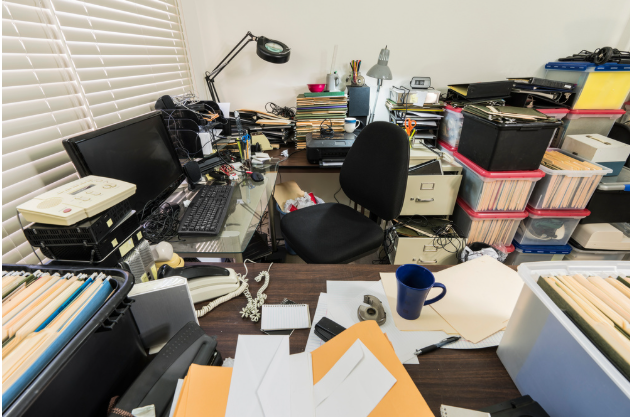

That big client came by last week. Spent about ten minutes in the office, made some polite noises about “getting back to you,” and disappeared forever. What happened? They saw the coffee stains on the conference table. Noticed that weird smell coming from somewhere near the printer. Spotted the dust bunnies having a party in the corner. Game over.
First Impressions Gone Wrong
Visitors get maybe thirty seconds before deciding what kind of business they’re dealing with. They walked in, looked around, and judged. Those old magazines from three years ago sitting in reception? That says something. The sticky spot on the floor that everyone just steps around? That says something, too.
Here’s what makes little sense: companies spend fortunes on marketing, websites, fancy business cards. Then they let their actual office look like a storage unit. The office is where real business happens. Where deals get signed, or don’t. Where partnerships form or fall apart.
Reception areas get especially brutal treatment from visitors’ eyes. Dead plant in the corner? Strike one. Dust on every surface? Strike two. That mysterious stain on the guest chair? Strike three. People notice everything when they’re nervous or waiting. And they remember it all when deciding whether to do business.
The Talent Drain Problem
Good luck hiring rockstar employees when the office looks like a dump. These people interview at multiple companies. They compare. They talk to their friends about cobwebs in interview rooms and depressing atmospheres. Job candidates read the signs. Mountains of paper everywhere mean chaos and poor systems. Broken bathroom fixtures indicate poor company management or stinginess.
Current teams notice too. They stop inviting spouses to office parties. They meet clients at coffee shops instead of conference rooms. Someone in accounting starts working from home more and more until one day they just don’t come back. The good ones always bail first; they know other companies will treat them better.
Health Hazards and Productivity Killers
Dirty offices spread germs. Someone sneezes in the elevator, presses the button, and just like that—everyone catches the flu. The fabric cubicle wall, untouched by cleaning for years, contains more organisms than a biology lab.
But it’s not just about getting sick. It’s the daily drag on everyone’s energy. Printer toner dust floating around makes people sluggish. The moldy smell from old carpets gives half the staff headaches by noon. Those “allergies” that only flare up at work? Not allergies. It’s those filthy air vents pumping contaminated air all day long.
Then there’s the chaos factor. Workers spend twenty minutes looking for files because every surface is buried under junk. Nobody can focus because their peripheral vision keeps catching piles of boxes that have been “temporary” for six months.
This is where the pros come in. Commercial cleaning company All Pro Cleaning Systems, based out of Boston, know how to attack office grime with military precision. They bring the serious equipment, the industrial-strength products, the knowledge about which germs live where. When they’re done, offices don’t just look clean – they actually support human health and productivity.
Conclusion
Dirt on office surfaces translates to financial loss. That programmer who turned down the job offer went to the company with the pristine office instead. That investor who seemed interested but never called back couldn’t get past the grimy windows and overflowing wastebaskets. The best salesperson who’s been out “sick” four times this month is actually interviewing elsewhere, tired of working in squalor. It’s not complicated to fix. A clean office attracts success. Untidiness guarantees firms will forever ponder the reasons for eluding success. The dust settling on desks right now? It’s settling on possibilities, too.